


Understanding Peptide Purity
Purity is one of the important characteristics researchers consider when evaluating peptide materials. A synthesized peptide may contain the intended product along with small amounts of related substances or synthesis by-products.
Understanding the purity profile can help researchers evaluate the material they are working with and maintain better documentation of their laboratory materials.
How Is Peptide Purity Evaluated?
Analytical techniques such as high-performance liquid chromatography, commonly known as HPLC, can be used to examine the composition and purity profile of peptide materials. Mass spectrometry may also be used to provide information related to molecular mass and identity.
Using analytical information together with product specifications allows researchers to develop a clearer understanding of the material before incorporating it into their research workflow.
Purity and Experimental Consistency
Consistency can be particularly important when researchers conduct repeated experiments or compare results between different batches. Variations in research materials can introduce additional variables into an experimental process.
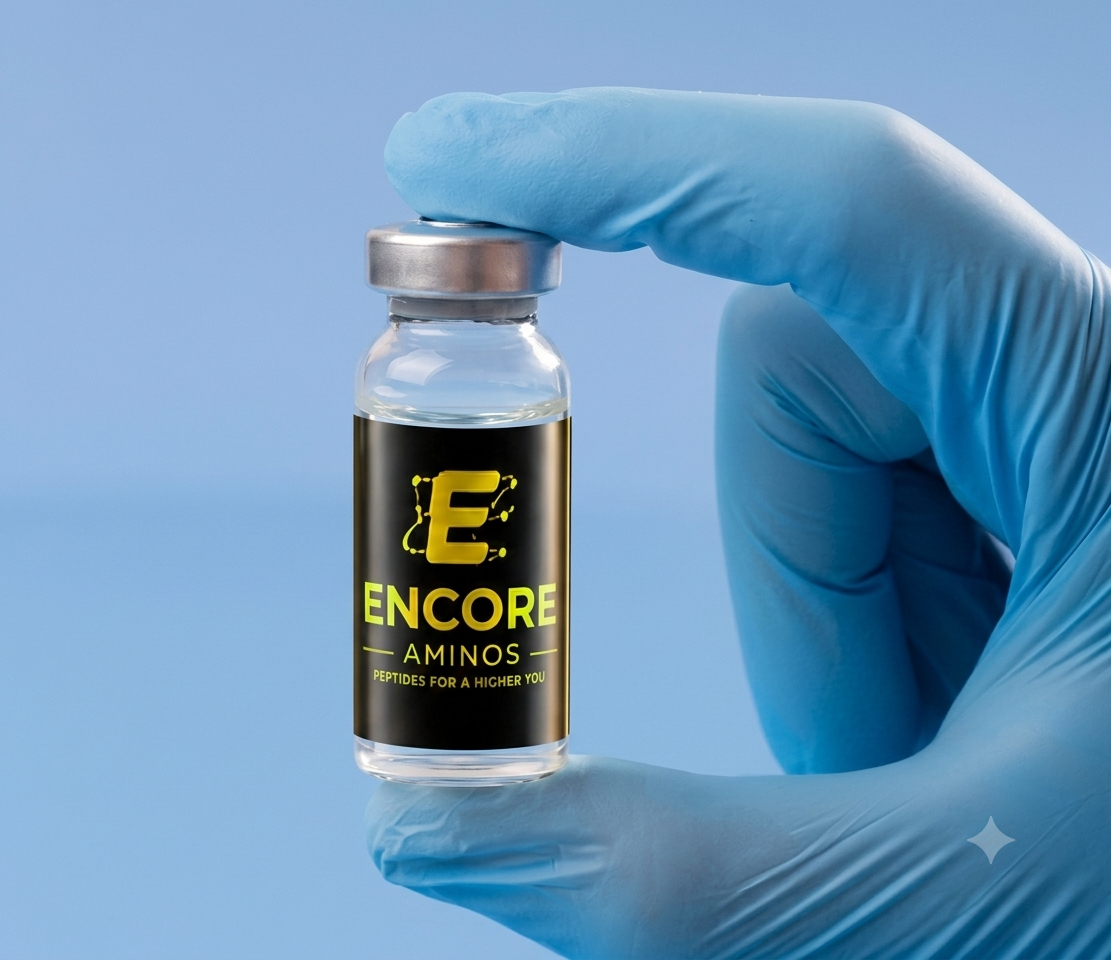
For this reason, researchers often review analytical documentation and batch information when selecting peptide materials. Encore Aminos takes a quality-focused approach to research peptides and aims to provide researchers with useful product information to support informed laboratory decisions.
